Basic portfolio hedging tools.
You can’t predict the next crash but you can prepare for it. This post explains hedging in plain English, shows the tools pros actually use, and helps you choose the right hedge for you.

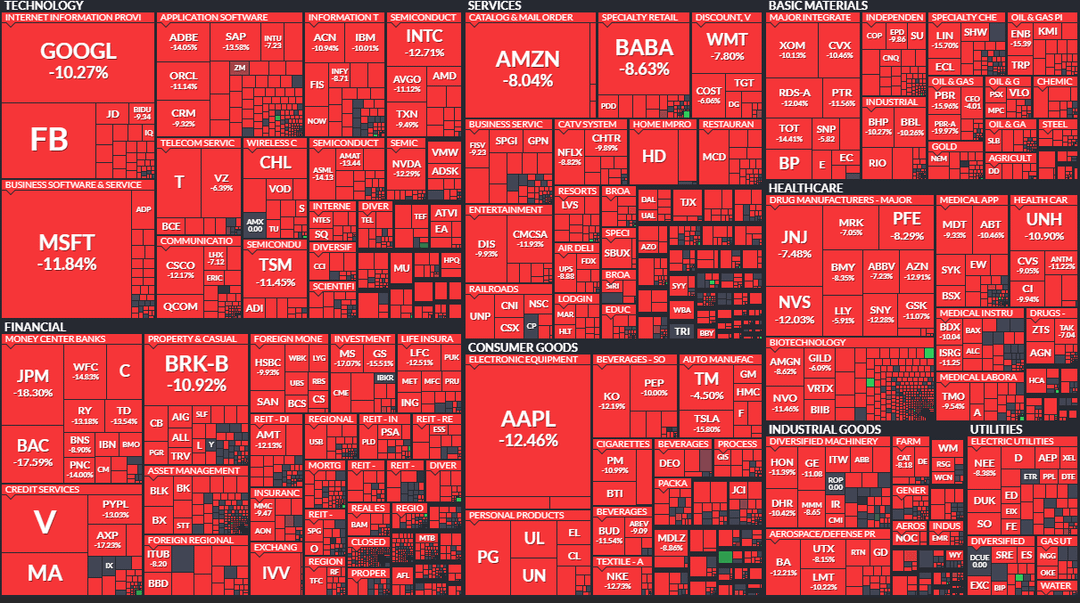
Boys and girls, investing in the stock market offers incredible potential for long-term returns but it also exposes your portfolio to risk. Market volatility, geopolitical shocks, economic downturns, and company-specific disasters can all drag your portfolio down in ways you can’t predict.
This is where hedging comes in.
Hedging is a risk-management strategy used to reduce or offset the impact of adverse price movements in your investments. Think of it as buying insurance for your portfolio. It doesn’t eliminate risk entirely, but it can soften the blow when markets turn against you.
And like any good insurance, you’ve got to pay a premium.
💸 The Cost of Protection

When your portfolio is up, you can usually afford to set a little aside for protection.
The reason most people don’t hedge is simple: you’ll lose that premium.
Just like car insurance, you don’t actually want to crash but it’s good to know you’re covered.
Losing that small insurance premium is okay. You’re investing for the next 20 years, not just the next few weeks. Long-term success requires short-term protection.
Nobody knows when the market will rally, dip, or crash.
So you hedge not because you expect disaster, but because you accept uncertainty.
⚙️ The Tools of the Trade
There are multiple ways to hedge your portfolio some simple, some advanced.
At first, it might seem like alphabet soup (puts, spreads, ETFs, collars…), but once you understand what each does and when to use it, hedging starts to feel like building armor around your investments.
Below are some of the most practical tools investors use to protect themselves, along with when they work best and what to watch out for
• Puts
Buying a put option gives you the right (but not the obligation) to sell an asset at a certain price before a set date. If your stock or index falls below that price, your put increases in value, offsetting the loss in your holdings.
Example: You own the S&P 500 via SPY at 520. Buying a 500 strike put gives you protection if SPY crashes below 500.
Best for: Direct, simple downside protection.
Downside: Options can be expensive, especially when volatility spikes. Think of this as “pure insurance.”
• Put Spreads
A put spread means buying one put and selling another at a lower strike price. This reduces your cost because the sold put offsets part of the premium you pay.
Example: Buy the 500 put, sell the 480 put. You’re protected between 500–480 but not below 480.
Best for: Investors who want protection without overpaying.
Downside: You cap how much protection you get, so it’s cheaper but limited.
• Collars
A collar combines a protective put (downside hedge) with a covered call (income from selling upside potential). It’s like agreeing to trade some of your future gains for safety now.
Example: Buy a 500 put and sell a 540 call.
Best for: Long-term investors who care more about avoiding large drawdowns than capturing every rally.
Downside: Limits your upside, if the market rips, your gains are capped.
• Inverse ETFs (e.g., SH, PSQ)
These funds go up when the market goes down. They short the market on your behalf and rebalance daily.
Example: If the S&P 500 drops 1%, SH typically rises 1%.
Best for: Quick, low-effort hedges for people who don’t want to touch options.
Downside: Tracking errors can build up over time, making them unreliable for long-term hedges.
• Leveraged Bear ETFs (e.g., SQQQ, SPXU)
These magnify the inverse performance of an index, typically 2x or 3x.
Example: If the Nasdaq falls 1%, SQQQ might rise ~3%.
Best for: Short-term tactical hedging or aggressive protection during volatile markets.
Downside: High risk. These products decay quickly and can lose value fast if held too long.
• Gold and Treasuries
These are macro hedges, assets that tend to perform well when markets panic or when interest rates fall.
Gold: Seen as a store of value and hedge against inflation or currency debasement.
Treasuries: Typically rally when investors flee to safety or when the Fed cuts rates.
Best for: Diversifying away from equities.
Downside: Their correlation with stocks isn’t perfect anymore. In some downturns, everything falls together.
• Pairs Trades
A pairs trade involves going long one stock and short another, usually within the same industry. The goal is to profit from relative performance rather than market direction.
Example: Long NVIDIA, short AMD. If NVIDIA outperforms AMD, you make money even if both decline.
Best for: Experienced traders who want market-neutral exposure.
Downside: Requires skill, timing, and strong conviction about the relative performance.
Inverse BTC or Crypto Shorts
For those heavily invested in crypto, shorting BTC or using inverse perpetuals can hedge against sharp drawdowns.
Example: If you’re long altcoins, shorting BTC or ETH can offset some losses during broad crypto selloffs.
Best for: Crypto-native portfolios with heavy digital asset exposure.
Downside: Volatile, can be liquidated quickly if markets move against you. Timing is everything.
• Macro & Cross-Asset Hedges
Sometimes, the best hedge isn’t in the same market. Traders use other macro assets like long USD, short high-yield credit ETFs (HYG), long volatility (VIX calls), or even commodity exposure as protection.
Best for: Sophisticated portfolios sensitive to macro risk (inflation, rates, or liquidity).
Downside: Requires understanding of correlations and correlations can break in stress events.
In short:
A hedge is only as good as your understanding of what risk you’re trying to protect against.
You don’t need to use every tool. Pick one or two that align with your portfolio and your level of experience and build from there.
🧩 Every Portfolio Is Unique
No single hedge works for everyone.
A portfolio heavy in crypto needs different protection than one filled with dividend-paying stocks or industrials. Someone focused on AI growth names faces a different set of risks than someone holding oil and minerals.
That’s why no one can hand you a perfect, one-size-fits-all hedge guide.
The best hedge is the one that fits your exposure, time horizon, and risk tolerance.
As with everything in markets, start small, learn by doing, and iterate.
Again Hedging isn’t about predicting crashes.
It’s about acknowledging that you don’t know the future and protecting yourself anyway.

Now we dive deeper into how to choose the right hedge for your portfolio, whether you’re holding Apple stock, meme coins, or long-dated AI plays.
We’re using assumptions, you’d need to adjust for your self accordingly there’s no one size that fits all.
🟢 The Index Investor (SPY, VOO, QQQ crowd)
Goal: Smooth out big market drawdowns without killing long-term compounding.
Core risks: Broad recessions, Fed shocks, liquidity crunches.
Try:
Index puts (SPY/QQQ) ~10–15% OTM, 3–6 months out.
Put spreads to cut cost (e.g., buy 500 / sell 480).
Inverse ETFs (SH, PSQ) tactically in rising-vol regimes.
Gold/Treasuries sleeve (small, strategic) for macro balance.
Starter play: When markets are euphoric, add a small SPY put spread and a modest gold/TLT sleeve; remove/reduce after a vol spike or when hedge pays.
🟡 The AI & Semis Maximalist (NVDA, AVGO, ASML, TSM… and the whole chip stack)
Goal: Ride the AI wave without getting wrecked by rate spikes or multiple compression.
Core Risks: Crowded positioning, rich valuations, supply shocks, export controls, rates.
Best-fit Hedges (from simplest to spicier):
• SMH puts (semis ETF)
Your one-ticket hedge for the whole semiconductor complex. When chips slide, SMH usually moves with it.
How to use: Buy puts 3–6 months out, ~10–15% OTM (e.g., if SMH is 250, look at the 225–230 strikes).
Why SMH vs single names: Diversifies idiosyncratic risk (earnings/guide misses) while still targeting the heart of AI beta.
Cost control: Turn them into a put spread (buy 230 / sell 200) to cut premium burn while defining max protection.
• XLK or QQQ puts (broader tech / Nasdaq)
Cheaper per dollar of notional than some single-name options; good when the whole growth complex is frothy.
• Pair trade: long your favorite, short the basket
Stay long NVDA (or your winner), short SMH/SOXX to reduce market beta while keeping your stock-specific upside.
Alt: Long NVDA, buy SMH puts functionally similar but defines downside.
• Rate risk hedge
If rising yields are your kryptonite, hold a sleeve of short-duration Treasuries (e.g., T-bills) for ballast, or tactically use inverse duration (advanced) when rate shocks loom.
Sizing & Timing Rules of Thumb (not advice):
Size: Many pros keep 0.5–2% of portfolio in rolling SMH (or QQQ/XLK) put spreads during euphoric stretches; bump toward the high end around key events (mega-cap earnings, Fed, CPI, export policy headlines).
Tenor: Prefer 3–6 months then roll; short-dated weeklies are cheaper but easy to mistime.
Strikes: Start ~10–15% OTM; if IV is elevated, tighten to 5–10% and use verticals to tame premium.
Exit: Take profits on a 50–80% gain in the hedge or if the catalyst passes; don’t let stale hedges bleed forever.
Common mistakes to avoid:
Paying up for single-name lotto puts when a basket (SMH) would’ve covered the core risk cheaper.
Holding 3× inverse ETFs for weeks decay will eat you.
Hedging after the first big down day when IV is already juiced; build hedges into strength.
🔵 The Single-Name Concentrator (AAPL, TSLA, etc.)
Goal: Protect a core high-conviction position without selling.
Core risks: Earnings gaps, guidance cuts, regulatory headlines.
Try:
Protective puts on the single name.
Collars (buy put + sell call) to fund protection.
Pairs trade: Long your name, short the sector ETF (e.g., long AAPL, short XLK) to mute beta.
Starter play: On approach to earnings, add a collar 1–2 months out; widen strikes post-event.
🟣 The Dividend Defender (value and income holders)
Goal: Keep yield steady; protect principal in risk-off.
Core risks: Inflation spikes, rising rates, value rotations.
Try:
Covered calls to add income in sideways markets.
Gold/commodities sleeve against inflation.
Inverse bond exposure (advanced) or just shorten duration when rates jump.
Starter play: Write covered calls on positions you’d be happy to trim; use proceeds to buy index put spreads.
🟠 The Small-Cap / Speculative Explorer (IWM, biotech, early AI picks)
Goal: Participate in upside without catastrophic drawdowns.
Core risks: Liquidity air-pockets, dilutions, hype cycles.
Try:
IWM puts/put spreads (Russell 2000 proxy).
VIX calls as a cheap convex kicker when complacency is high.
Cash sleeve (genuinely powerful for option-free hedging).
Starter play: Keep a rolling IWM put spread and 5–10% dry powder for volatility spikes.
🟤 The Commodities / Miners Tilt (energy, metals, miners)
Goal: Capture commodity cycles while insulating from equity beta.
Core risks: Global growth shocks, policy bans, cost inflation.
Try:
Pairs: Long quality producer, short the sector ETF (e.g., long XOM, short XLE) to reduce beta.
Index hedge: SPY/QQQ puts if your book still has equity beta.
Gold/Treasuries mix for crisis hedging (miners ≠ gold).
Starter play: If miners run hot, add a sector-ETF short or small SPY put spread into strength.
🟣 The Crypto Native (BTC, ETH + alts)
Goal: Stay long adoption; survive 30–60% drawdowns.
Core risks: Liquidity shocks, regulation, macro tightening, correlations to risk assets.
Try:
Short BTC/ETH with perps during euphoria or pre-event risk.
Inverse BTC ETF (e.g., BITI) if you’re off-exchange.
Delta-neutral or basis trades (advanced) for income.
Stables or short-duration Treasuries sleeve for optionality.
Starter play: Pre-catalyst (ETF decision, major unlock), layer small BTC puts or perp shorts; unwind into the move.
🔴 The Macro Mixer (rates, FX, credit)
Goal: Hedge portfolio to big picture shifts.
Core risks: Inflation waves, credit stress, policy error.
Try:
Long vol (VIX calls/UVXY) when vols are cheap.
Long USD or short HYG when credit looks stretched.
Gold + Treasuries barbell during late-cycle wobbles.
Starter play: Add a tiny VIX call sleeve when VVIX/term-structure screams complacency.
🧮 Sizing, Timing, and Rolling (simple rules)
Build hedges into strength. IV (implied vol) is cheaper before the scare.
Keep it small, keep it constant. A steady 0.5–2% rolling hedge often beats “panic buying” protection.
Define your exit. Take profits when hedges are up 50–80%, or when the catalyst you hedged for passes.
Prefer spreads over naked puts when IV is high same protection band, less burn.
Avoid decay traps. Don’t park in 3× inverse ETFs for weeks; they’re for tactical use.
🧰 Quick “Pick-Your-Hedge” Guide
Mostly SPY/VOO? → SPY put spread + small gold/TLT sleeve.
Heavy AI/semis? → SMH puts (or SMH put spread).
One big winner (AAPL/TSLA)? → Collar the single name.
Dividends/value? → Covered calls + index put spread funded by call income.
Small-cap/speculative? → IWM put spread + small VIX calls.
Crypto-heavy? → Short BTC/ETH (sized), or inverse BTC ETF + stables/T-bills sleeve.
Macro-sensitive? → VIX calls, short HYG, gold/UST mix.
Hedging isn’t about predicting crashes.
It’s about acknowledging that you don’t know the future and protecting yourself anyway.
Now we dive deeper into how to choose the right hedge for your portfolio, whether you’re holding Apple stock, meme coins, or long-dated AI plays.
Because everyone talks about “diamond hands”…
but real pros learn how to hold safely.
Good luck, and may the force be with you